Heathrow Terminal Guide: Where to Meet Your Driver at Each Terminal
Heathrow's four terminals each have their own arrivals layout. Here's what a name-board meet & greet actually looks like, terminal by terminal.
Heathrow is one of the world's busiest airports, split across four operating terminals — Terminal 2, 3, 4 and 5 (Terminal 1 closed permanently some years ago and no longer operates). Each terminal has its own arrivals hall, and knowing roughly what to expect at yours makes the first few minutes after landing considerably less stressful, especially after a long-haul flight.
Terminal 5 — British Airways' home terminal
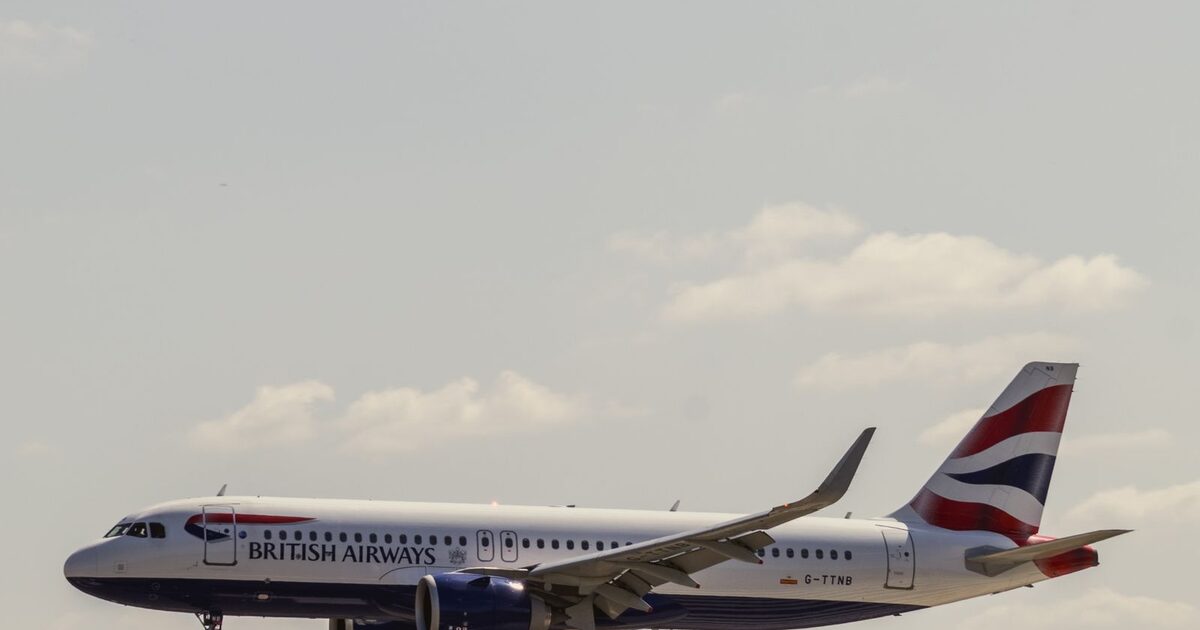
T5 is Heathrow's largest terminal and the main base for British Airways, along with Iberia and a handful of oneworld partners. It's split into a main building and two satellite buildings (T5B and T5C), connected by an internal transit train, so the walk from your gate to arrivals can be one of the longer ones at the airport — factor in extra time after landing before you reach the arrivals hall itself. Once through immigration and baggage reclaim, there's a single public arrivals area where pre-booked drivers wait, typically holding a printed or digital name board.
Terminal 3 — long-haul and oneworld
T3 handles a broad mix of long-haul international carriers, including American Airlines, Cathay Pacific, Qantas, and Virgin Atlantic. It's one of the older terminals, and its arrivals hall sits at the end of a fairly direct route from baggage reclaim, opening out into a public concourse with cafés and shops either side — this is where meet & greet drivers position themselves, usually near the main exit doors rather than tucked away.
Terminal 2 — the Queen's Terminal
Rebuilt and reopened in 2014, T2 is home to Star Alliance carriers such as Lufthansa, United, Air Canada, and Singapore Airlines. It's Heathrow's newest terminal building, with a more open, modern arrivals hall than T3. Drivers wait in a clearly signed public area just past the customs exit.
Terminal 4 — SkyTeam and long-haul
T4 sits on the opposite side of the airfield from the other three terminals, which is why some transfers between T4 and elsewhere at Heathrow take a little longer than you might expect. It's the main base for SkyTeam carriers like Air France, KLM, and Kenya Airways, among others. Its arrivals hall follows the same basic pattern as the rest of Heathrow — reclaim, customs, then a public hall where drivers wait.
What a name-board meet & greet actually looks like
The mechanics are the same at every terminal, which is part of the point — once you've done it once, you know what to expect anywhere at Heathrow. After you clear customs and walk into the public arrivals area, your driver will be standing with a board showing your name, waiting where drivers are permitted to stand — usually along the barrier nearest the exit from customs, not scattered around the wider terminal. If you don't spot your driver within a minute or two of looking, your booking confirmation includes a direct contact number for exactly this situation, rather than leaving you to search on your own.
How flight tracking changes when your driver actually arrives
None of this depends on your driver simply showing up at your scheduled landing time and hoping for the best. Flight tracking means the pickup is planned around your aircraft's real progress — when it actually lands, not the time printed on your ticket — and then around a realistic estimate for how long that terminal typically takes to clear, since walking from gate to arrivals at T5's satellite buildings takes noticeably longer than at a more compact terminal like T2. A driver timing their arrival off the scheduled slot alone would either be there too early, wasting their own time, or too late, leaving you waiting — tracking the actual flight and terminal is what keeps that gap small in both directions. We go into the mechanics of this in more depth in our guide to flight tracking and delays.
Getting between terminals if you need to
If your connecting arrangements mean you're moving between terminals rather than leaving the airport, Heathrow runs a free inter-terminal transfer service (a train linking T2, T3 and T5, and a dedicated bus link to T4), signposted throughout the airport. This is separate from any private transfer booking, which is arranged for the terminal your actual arriving or departing flight uses.
One habit worth building
Whichever terminal you're arriving into, the one detail worth double-checking before you fly is that your booking has the correct terminal recorded against your flight — airlines occasionally move flights between terminals at Heathrow with relatively little notice, and a driver tracking the right flight number will follow that change automatically, but it's still worth a quick check on your airline's app the day before you travel.
Quick reference: terminal and alliance at a glance
- Terminal 2 — Star Alliance (Lufthansa, United, Air Canada, Singapore Airlines and others).
- Terminal 3 — oneworld long-haul outside BA, plus Virgin Atlantic (American Airlines, Cathay Pacific, Qantas and others).
- Terminal 4 — SkyTeam (Air France, KLM, Kenya Airways and others).
- Terminal 5 — British Airways and Iberia.
This is a useful sanity check if you're not sure which terminal you're arriving into: it's determined by your airline and route, not something you choose separately, and it's worth confirming on your airline's app or booking confirmation a day or two before you fly rather than assuming from a previous trip — the same airline can and occasionally does use a different terminal for a different route.
If you're travelling with young children, reduced mobility, or extra bags
None of the above changes the terminal you're allocated to, but it's worth knowing that every Heathrow terminal has assistance services available for reduced mobility, arranged through your airline rather than through ground transport — it's best requested when you book your flight, or at the very least before you travel, rather than on the day. On the transfer side, letting us know about car seats, extra luggage, or additional passengers when you book means the right vehicle is allocated in advance, rather than worked out in the arrivals hall.